
The Chinese government enforces control over information and public discourse, and continues to suppress dissent and peaceful assembly. Participants in religious activities have been persecuted through surveillance, raids and security laws. Human rights defenders, writers, artists and other civil society actors have been detained and prosecuted under vague national security provisions; censorship and online surveillance of these groups persisted. The authorities suppress activism aimed at achieving gender equality and impose restrictions on freedom of expression by women and LGBTI people, particularly in digital spaces. Ethnic groups including Uyghurs in Xinjiang and Tibetans are under strict political and cultural control. In the Hong Kong and Macao Special Administrative Regions, national legislation further erodes human rights.
KEY ISSUES
The authorities intensified control over information, public discourse and freedom of association through new regulations, censorship and intimidation.
In February 2025, the National Radio and Television Administration introduced a new licensing system for all online micro dramas (short-form scripted videos), requiring prior approval before publication. The measure extended to content on major social media platforms including WeChat, Douyin and RedNote. Meanwhile, the Cyberspace Administration of China, together with 11 other agencies including the Ministry of Public Security and the Ministry of State Security, issued the Internet Military Information Dissemination Management Measures, prohibiting the online production or sharing of any undisclosed information about national defense or the armed forces.
Journalists and media outlets continued to face censorship. In June 2025, news outlet Caixin and weekly newspaper Southern Weekly published investigative reports about an alleged death in police custody; both reports were swiftly deleted from official websites and social media platforms.
In September 2025, the Cyberspace Administration of China launched a two-month nationwide campaign targeting content on social media and short-video platforms that “incited hostility” or “spread pessimism”. Platforms were warned to delete such material and any other material deemed to discredit public institutions.
Workers and their advocates remained unable to exercise freedom of association. On February 10, 2025, the ILO issued an annual report raising concerns about the continued prohibition of independent trade unions and other restrictions on freedom of association in China.
The authorities continued to target human rights defenders, lawyers and activists under vague national security and public order provisions. Such measures were routinely used to suppress legal advocacy and activism, with prolonged pretrial detention, closed proceedings and restricted access to legal counsel. The authorities also continued to use “residential surveillance at a designated location”, a form of secret detention amounting to enforced disappearance, particularly against human rights defenders, rights lawyers and individuals investigated for national security offense.
Human rights lawyers and their families faced ongoing attacks. Labor and social rights defenders remained under tight surveillance. Writers, journalists and artists continued to face criminal prosecution for exercising their right to freedom of expression and their human rights work. Students and younger people were also targeted.
China continued to impose death sentences and carry out executions for a wide range of offense, including several that did not meet the threshold of the “most serious crimes” under international human rights law and standards. Official data on death sentences and executions remained classified as a state secret, making it very difficult to assess the government’s claim that the death penalty was being applied “prudently”.
Despite the state’s restrictions over information on the death penalty, the authorities continued to publicize selected cases in the media as a deterrent. The authorities also continued to use the death penalty for cases of corruption, executing a former financial executive in December 2025 for large-scale bribery.
Uyghurs continued to face severe restrictions of their rights, including freedom of movement. Official policies reportedly discouraged Uyghurs from traveling overseas, while compelling Uyghurs abroad to choose between seeing family in China and exercising their right to freedom of expression.
In March, June and September 2025, The Office of the High Commissioner for Human Rights, the UN human rights office, reiterated concerns regarding ongoing violations in Xinjiang. It urged China to implement its recommendations from 2022, including ending arbitrary detention, clarifying the fate and whereabouts of those held, and ensuring accountability. The government rejected these calls and took no steps towards accountability or an independent follow-up mechanism.
In September 2025, UN experts sent an official communication to the authorities raising concerns over the reported enforced disappearance of Uyghur academic Rahile Dawut and the arbitrary detention of artist Yaxia’er Xiaohelaiti. The UN experts stated that these cases reflected broad systematic repression of Uyghurs’ cultural and academic expression.
Latest
- New ‘ethnic unity’ law set to entrench assimilation of minority groups
- Urgent Action: Health Concerns For Uyghur Detained For Decade
- Ten years stolen: sister of detained Uyghur entrepreneur Ekpar Asat
- China: Uyghur student released after serving sentence: Kamile Wayit
- China: Still no accountability for crimes against humanity in Xinjiang, three years after major UN report
Reports
- “Like we were enemies in a war” – China’s Mass Internment, Torture and Persecution of Muslims in Xinjiang
- Hearts and Lives Broken – The nightmare of Uyghur families separated by repression
- Nowhere feels safe – Uyghurs tell of China-led intimidation campaign abroad
In March 2025, the State Council Information Office released a white paper, Human Rights in Xizang in the New Era, which explicitly promoted “bilingual education” with Mandarin as the main medium of instruction. The paper promoted schooling as a means of “strengthening national unity”, including via political education. During a rare visit to Tibet in August 2025, President Xi emphasized “unity and development” and presided over the start of construction of a controversial dam linked to forced displacement and harmful environmental impacts on local communities.
The authorities continued to interfere in Tibetan Buddhist religious affairs. In July 2025, following the Dalai Lama’s announcement of plans for his eventual succession, Chinese state officials and media asserted that any reincarnation process must proceed “in accordance with Chinese law” and under the authority of the Communist Party.
Latest
For more information on Amnesty International’s work on China, refer to the links on this page, or contact the AIUSA China Coordination Group.

Help bring Ekpar home
In April 2016, Uyghur entrepreneur and philanthropist Ekpar Asat went missing shortly after returning from a U.S. exchange program and was convicted in a secret trial on charges of “inciting ethnic hatred and ethnic discrimination.” He is reportedly serving a 15-year sentence, but his family has never received court documents, never confirmed he had a lawyer, and for years had no meaningful contact with him. Take action to bring him home.
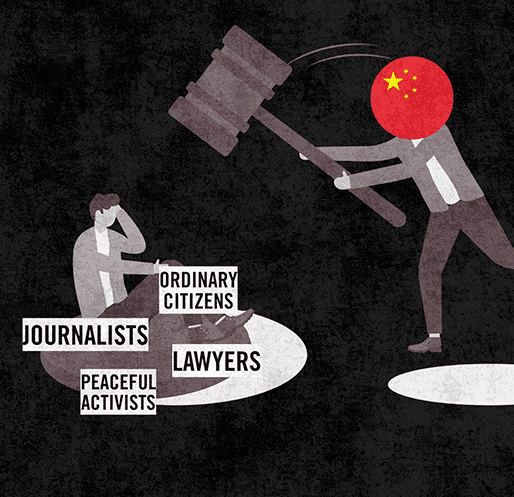
How could this verdict be ‘legal’? The role of China’s courts in targeting human rights defenders
Chinese courts are systematically weaponizing vague national security and public order laws to silence human rights defenders. Amnesty International published a report exposing the judiciary’s central role in sustaining the Beijing authorities’ crackdown on fundamental freedoms.
Relevant Links
- Take Action: Protect the memory of the Tiananmen Square crackdown
- AI Report: China 2025
- Joint Statement: Urgent Call to Thai Government to Halt the Forcible Return of Journalist Bai Zhaodong to China
- China: Stop pressuring states to return at-risk asylum seekers and others
- China: Detention of church leaders signals intensifying attacks on religious freedom
- China: ‘Heartless’ ban on Tiananmen Mothers visiting cemetery signals escalating repression
- Urgent Action: Grave Concerns For Life Of Detained Journalist – Zhang Zhan
- China: Human rights lawyer jailed over planned EU meeting must be truly free after release
- China: Authorities block life-saving kidney treatment for woman activist ahead of major government meetings
- Urgent Action: Journalist Convicted On Baseless Charges, Denied Visits – Zhang Zhan
- China: Hong Kong bookseller Gui Minhai must be released after decade of cruel secrecy
- Urgent Action: Young student targeted for peaceful activism abroad: Zhang Yadi
- A UN conference can’t hide China’s discomfort with women’s rights
- China: Courts used as tools of systematic repression against human rights defenders
- China: Journalist Zhang Zhan sentenced to prison again on baseless charges
- Chinese government impunity for crackdown on lawyers fuels decade of repression
- China: Authorities must end interference in Tibetan religious practices as Dalai Lama announces succession plan
- What China says, what China means, and what this means for Human Rights
The Latest
Press Release
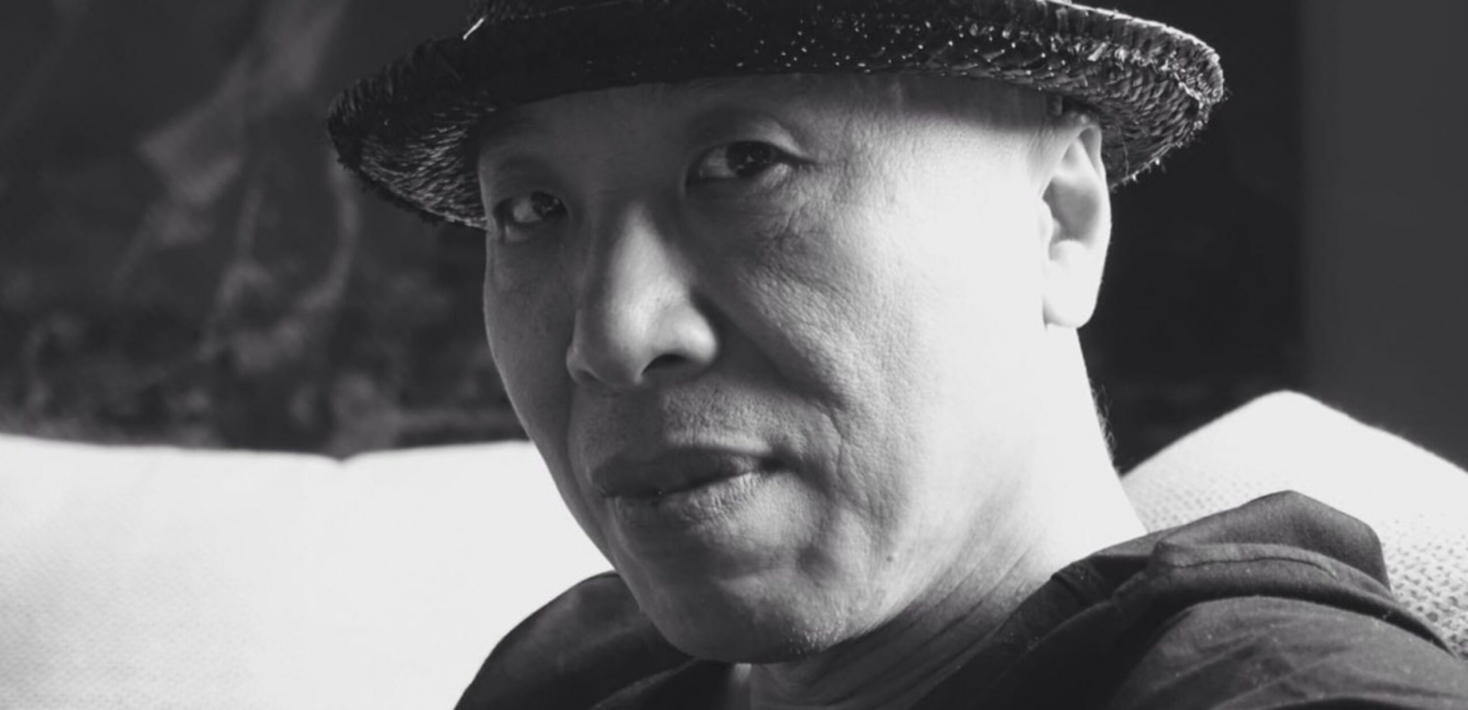
China: Maximum Sentence for Artist Gao Zhen is an Assault on Artistic Freedom
August 25, 2026
Press Release
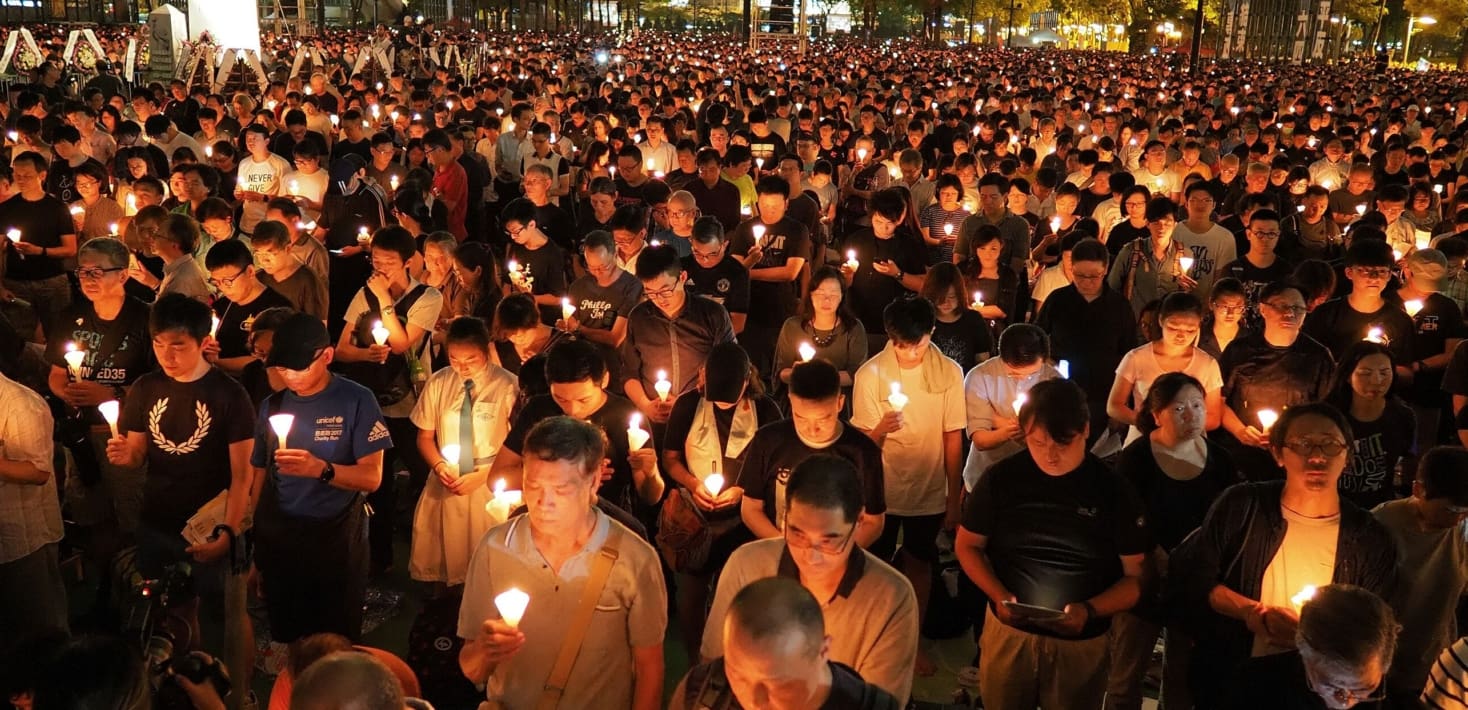
Hong Kong: ‘Dismaying’ Tiananmen Convictions Part of Campaign to Erase Chinese History
August 21, 2026

Press Release
China: Activist Arrested Over Photo of Dalai Lama in Tibet Must Be Released
August 5, 2026
Press Release
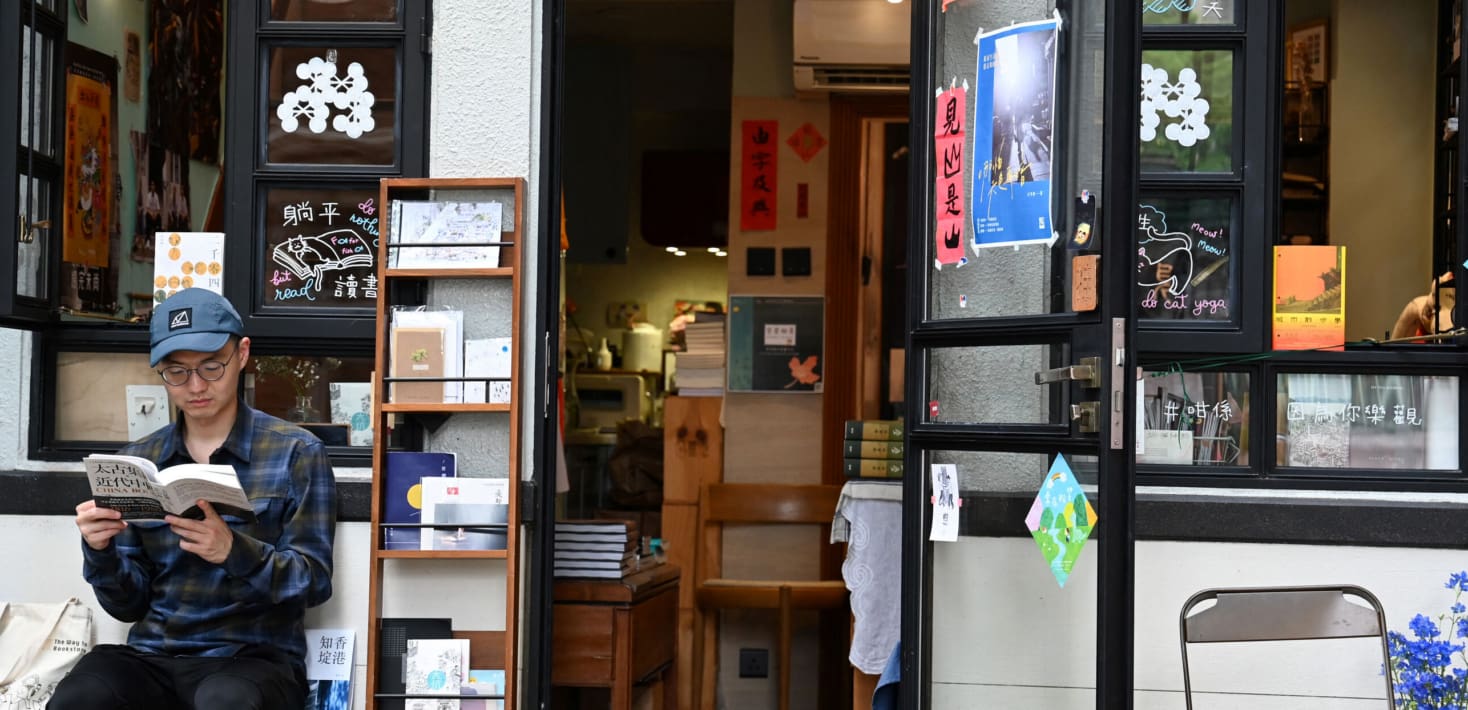
Hong Kong: Police Raids on Independent Bookshops Reported Again in New Blow to Freedom of Expression
July 15, 2026
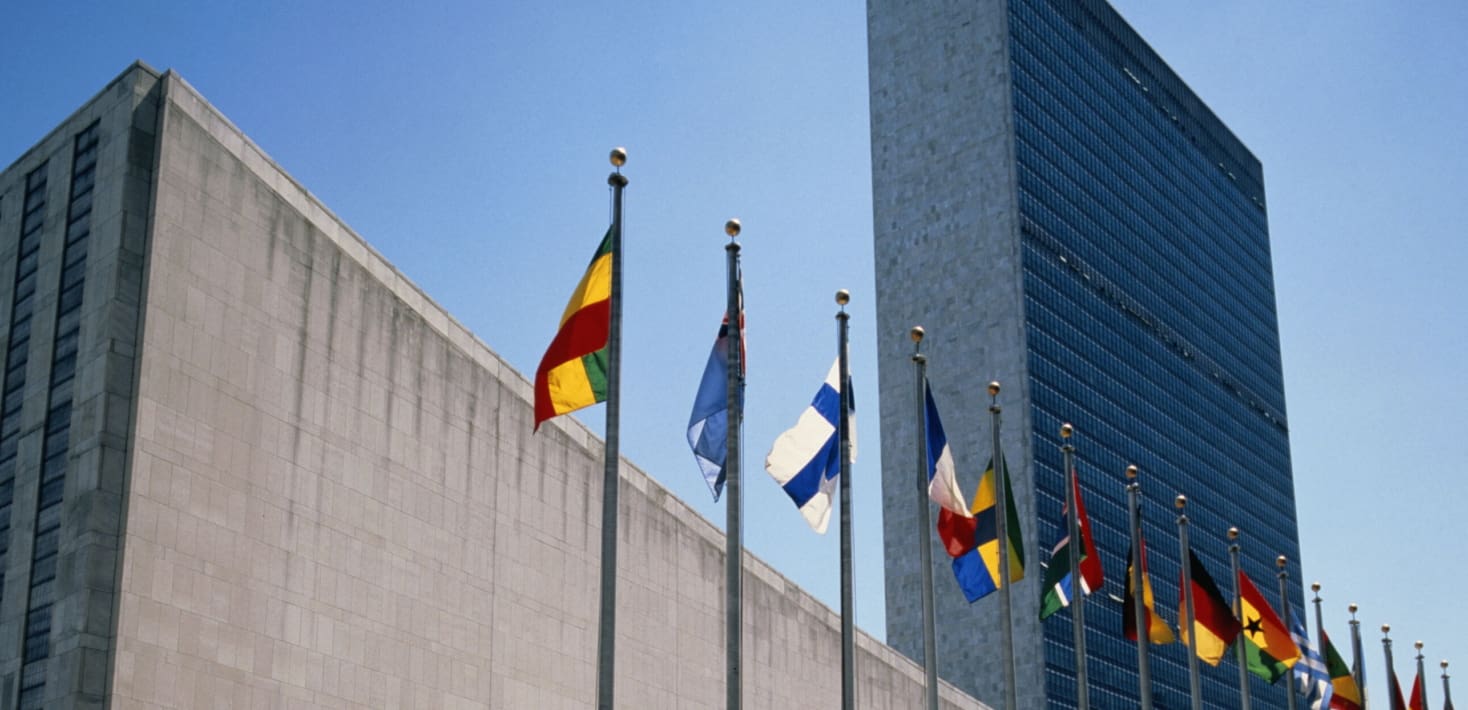
Press Release
Self-Immolation of Tibetan Man Outside UN Highlights Long-Standing Chinese Repression
July 3, 2026
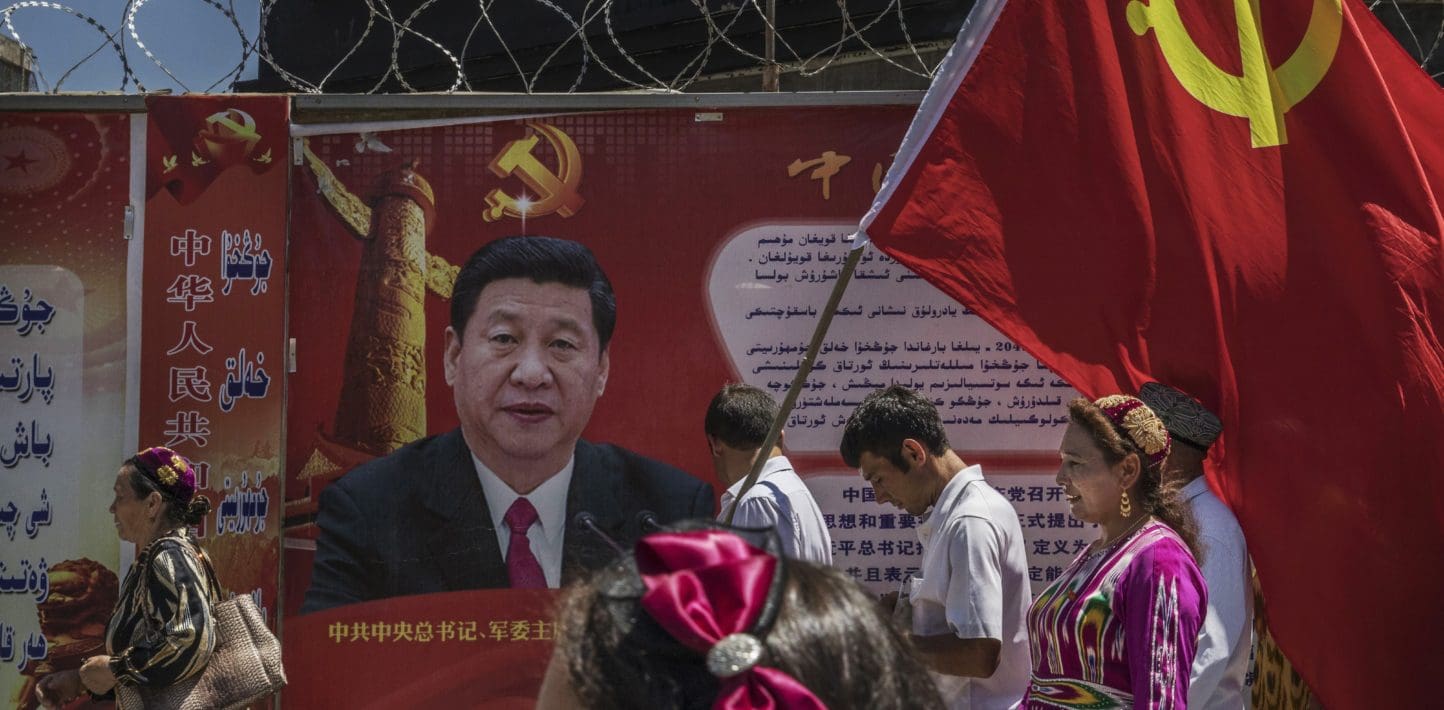
Press Release
China: New ‘Ethnic Unity’ Law Set to Entrench Assimilation of Minority Groups
June 30, 2026
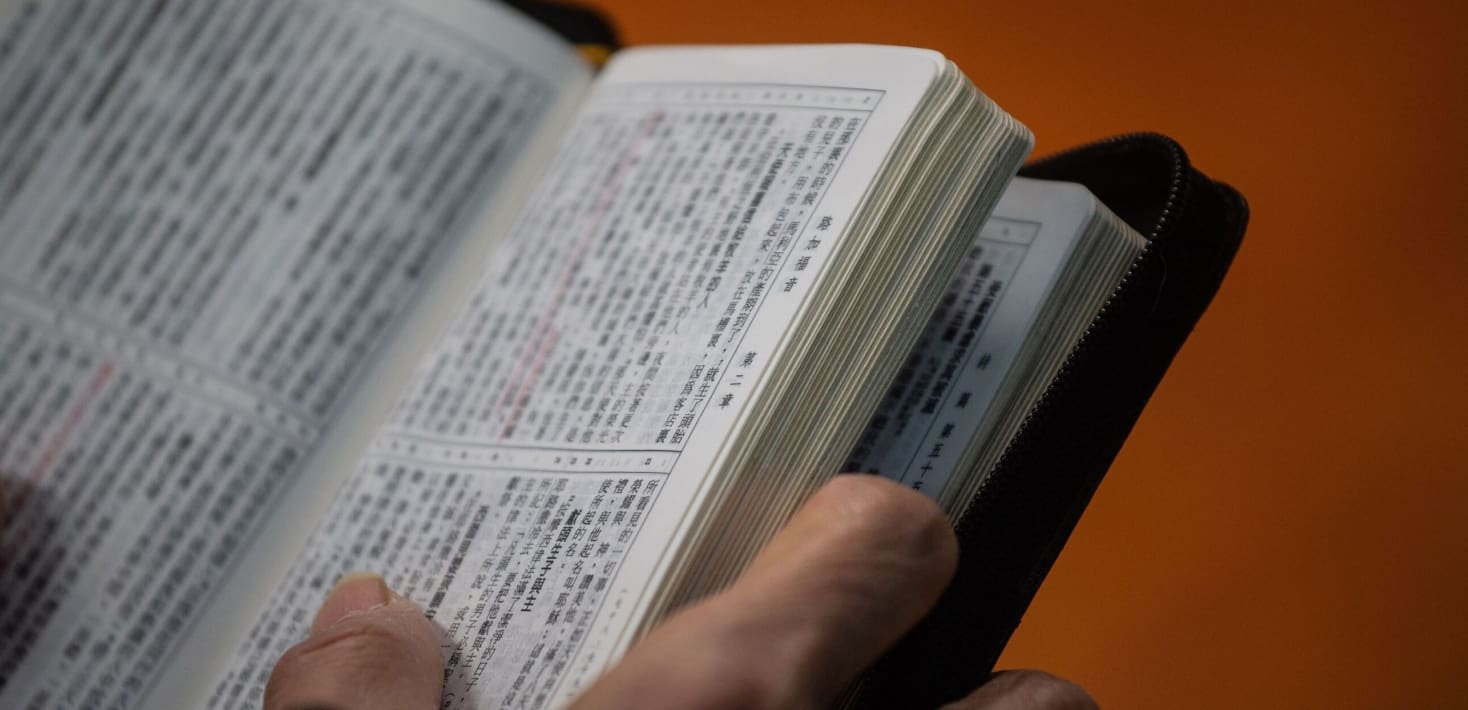
Press Release
China: Detention of Church Leaders Signals Intensifying Attacks on Religious Freedom
June 15, 2026
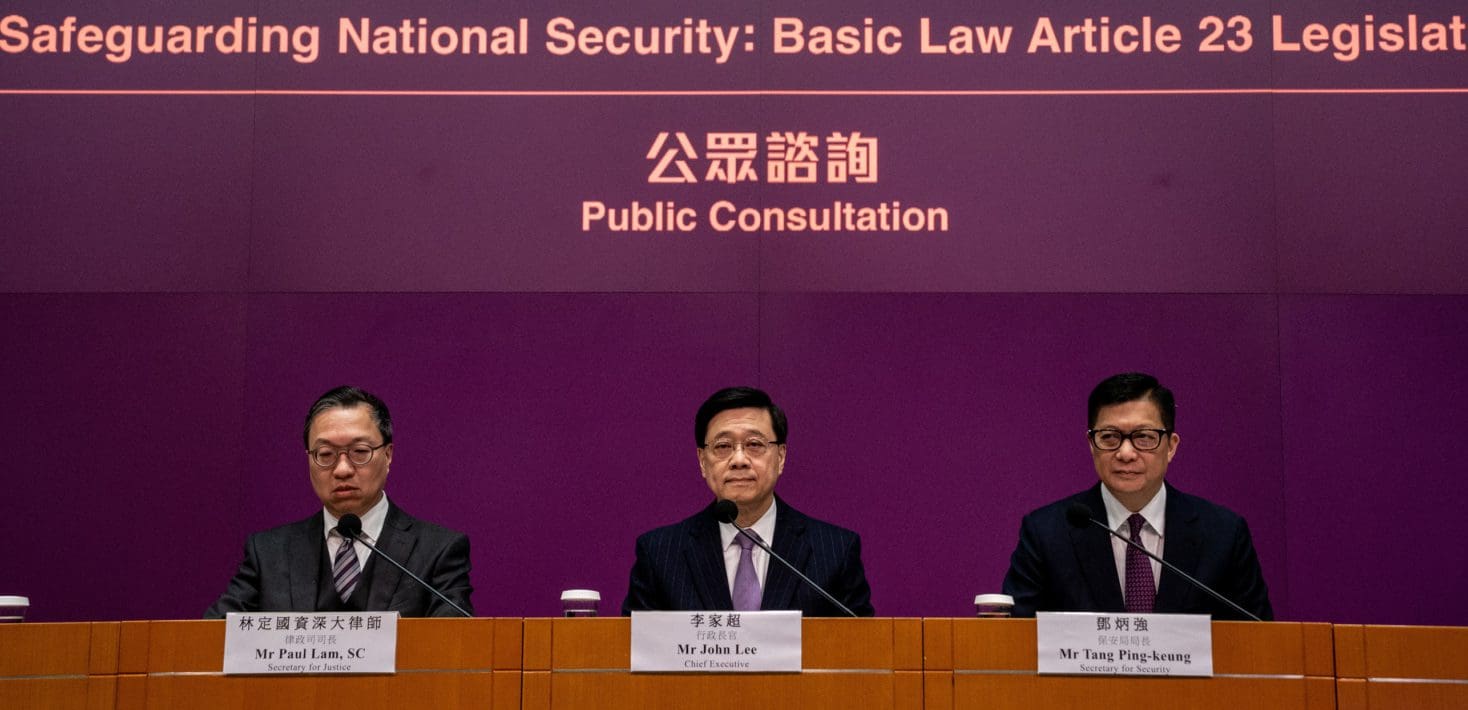
Press Release
Hong Kong: New Powers for Chief Executive in ‘National Security’ Cases Undermine Fair Trial Rights
June 9, 2026
Press Release
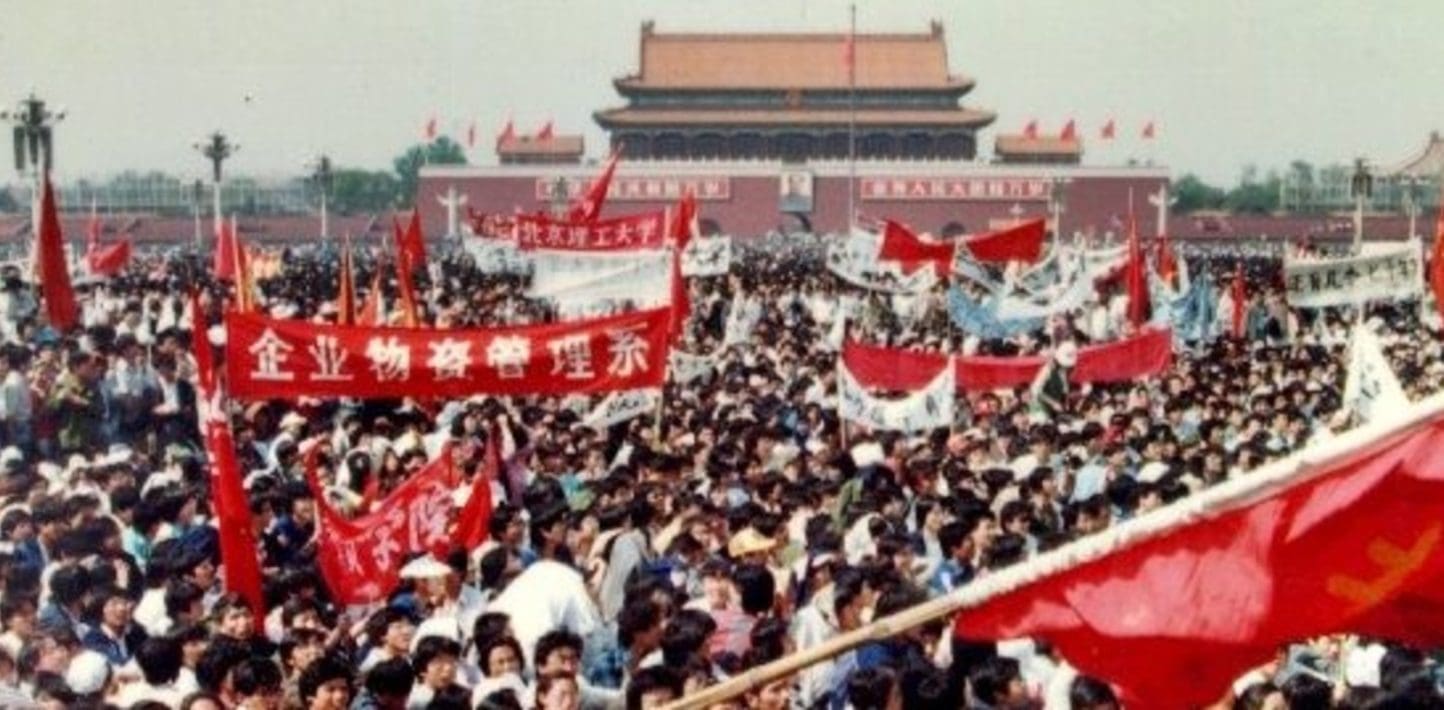
China: ‘Heartless’ Ban on Tiananmen Mothers Visiting Cemetery Signals Escalating Repression
June 3, 2026

Press Release
Zambia: Last-Minute Postponement of RightsCon Appears a Brazen Act of Chinese Transnational Repression Which Must Be Resisted
May 5, 2026
Press Release
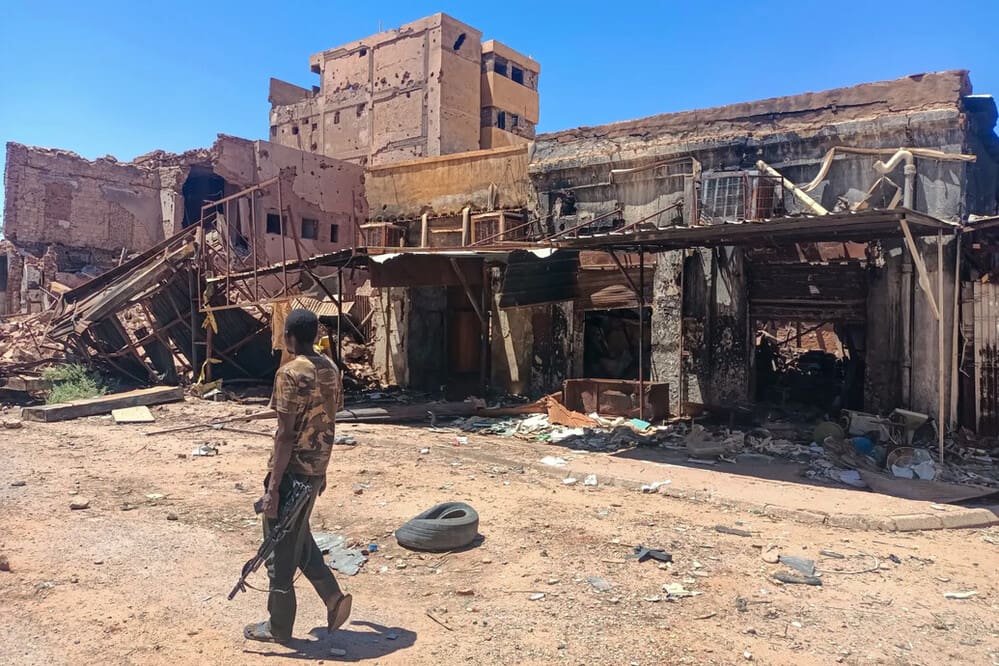
Sudan: Three Years On, Warring Parties Intensify Brutal War on Civilians
April 14, 2026
Press Release
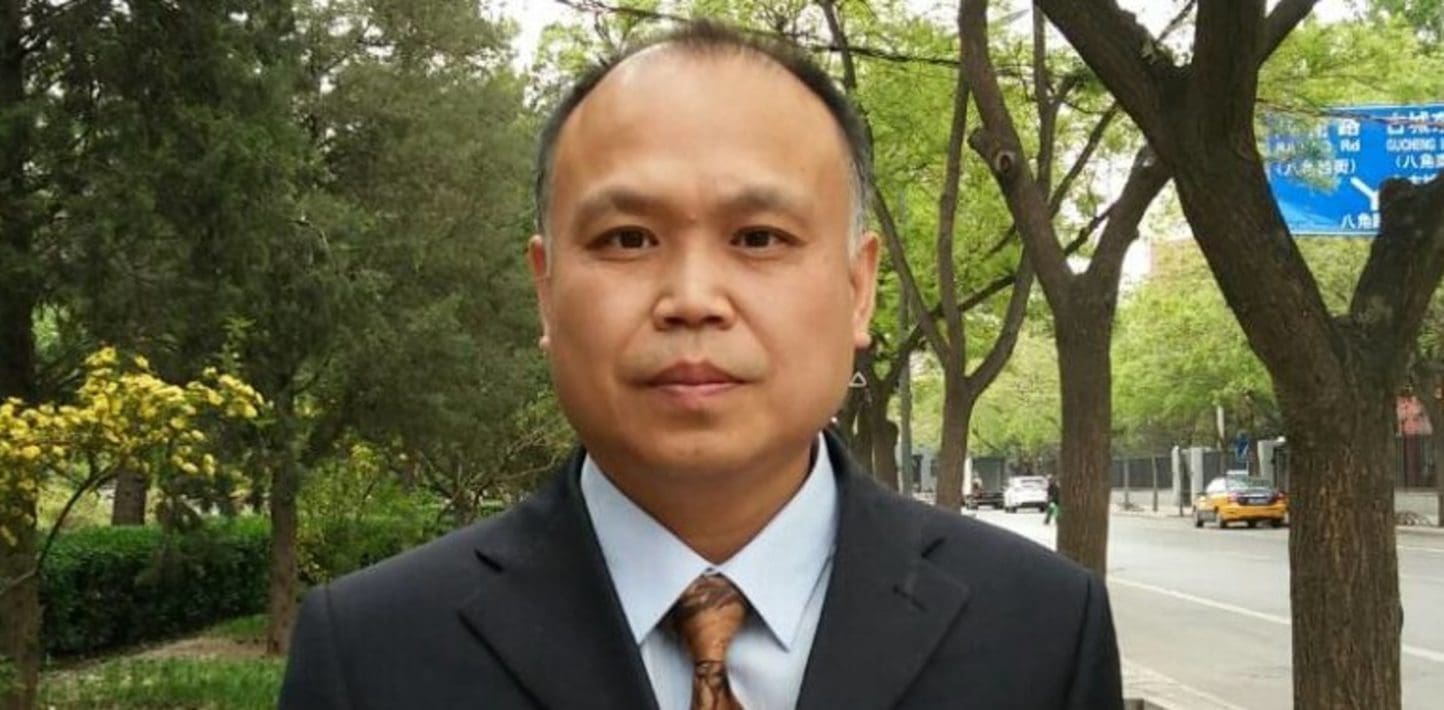
China: Human Rights Lawyer Jailed Over Planned EU Meeting Must Be Truly Free After Release
April 8, 2026