
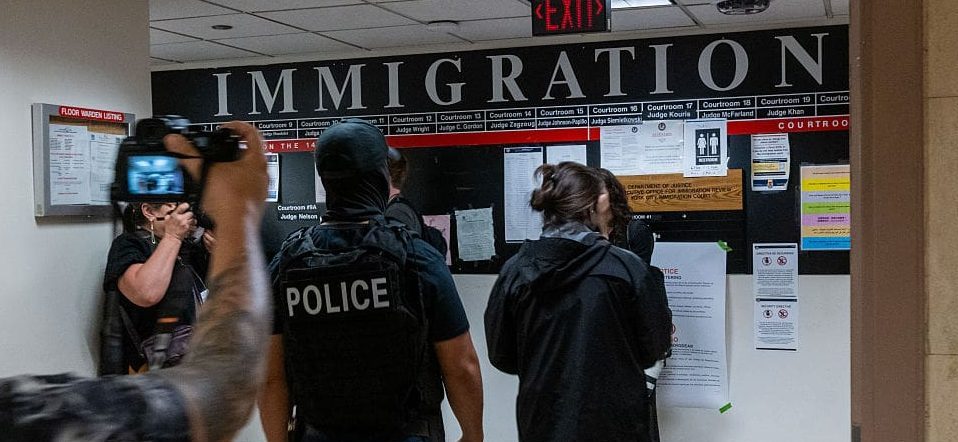
Immigration detention has long been a stain on the U.S. human rights record. But under the Trump administration, this cruelty has been taken to new extremes.
This dangerous anti-immigrant campaign includes ICE raids, mass detention centers, deputizing local law enforcement agencies as immigration officials, racial profiling, attacks on asylum seekers, deportations to third countries, and the public targeting of immigrant organizers and protestors.
We are at a crossroads. The U.S. government can either continue down a path of cruelty, fear and systemic abuse—or choose a future rooted in dignity, compassion and justice.
Now more than ever, our work to defend human rights and protect immigrant communities is urgent and essential. But we can’t do it alone.
WHAT YOU CAN DO

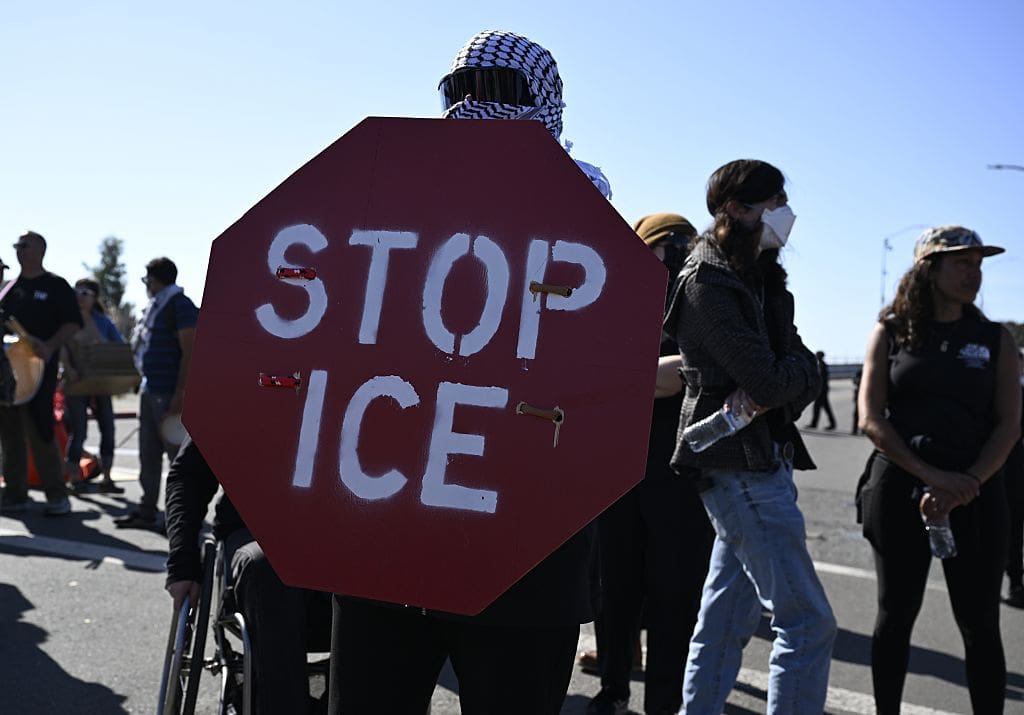
Abolish ICE!

Urge Congress to close all cruel detention centers around the country
Release Asylum Seeker with Health Needs

Release detained men unlawfully removed from ICE to Equatorial Guinea

Our report, “We Had Whistles, They Had Guns”: Human Rights Violations in U.S. Immigration Enforcement Operations and the Case to Abolish ICE, concludes that the dismantling of ICE is necessary to bring the U.S. immigration enforcement system into compliance with its international human rights obligations.
Additional resources

Abolish ICE toolkit
Our activist toolkit includes more ways to get involved and push the U.S. government to abolish U.S. Immigration and Customs Enforcement (ICE).

Torture and Enforced Disappearances in the Sunshine State: Human Rights Violations at “Alligator Alcatraz” and Krome in Florida
This report presents Amnesty International’s findings from a research trip to document detention conditions since President Trump took office in January 2025.
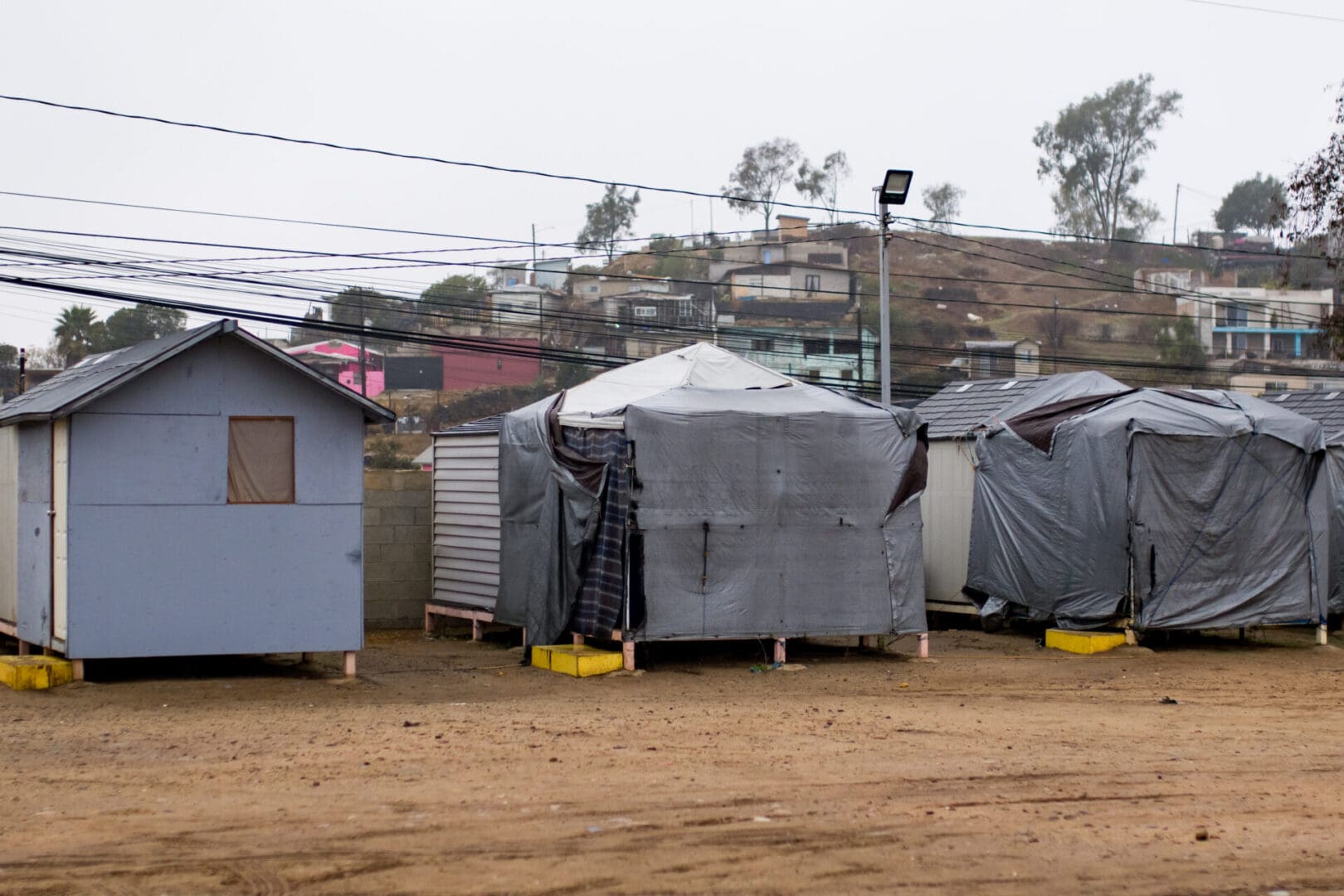
Lives in Limbo: Devastating Impacts of Trump’s Migration and Asylum Policies
This Amnesty International briefing focuses on the end of applying for asylum at the U.S.-Mexico border and the situation of asylum seekers in Mexico.

Know Your Rights: How to Stay Safe Around ICE
Knowing your rights when encountering U.S. Immigration and Customs Enforcement (ICE) keeps our communities safe.

Dehumanized by Design: Human Rights Violations in El Paso
This Amnesty International briefing presents findings from an April 2025 research trip to the El Paso Service Processing Center (EPSPC) detention facility.
The Latest
Blog
An Open Letter to Congress: ABOLISH ICE!
September 24, 2026

Press Release
Amnesty International Calls for ICE to Be Abolished After Documenting Widespread Human Rights Violations in Anti-Immigrant Operations
September 24, 2026

Report
We Had Whistles, They Had Guns: Human Rights Violations in U.S. Immigration Enforcement Operations and the Case to Abolish ICE
September 24, 2026

Press Release
25 Years Since 9/11, 25 Years of Injustice
September 11, 2026
Press Release
Nursing Mother of Two Arrested Without Warrant by ICE, Held 700 Miles From Her Children in Violation of the Agency’s Own Policy
July 30, 2026
Blog
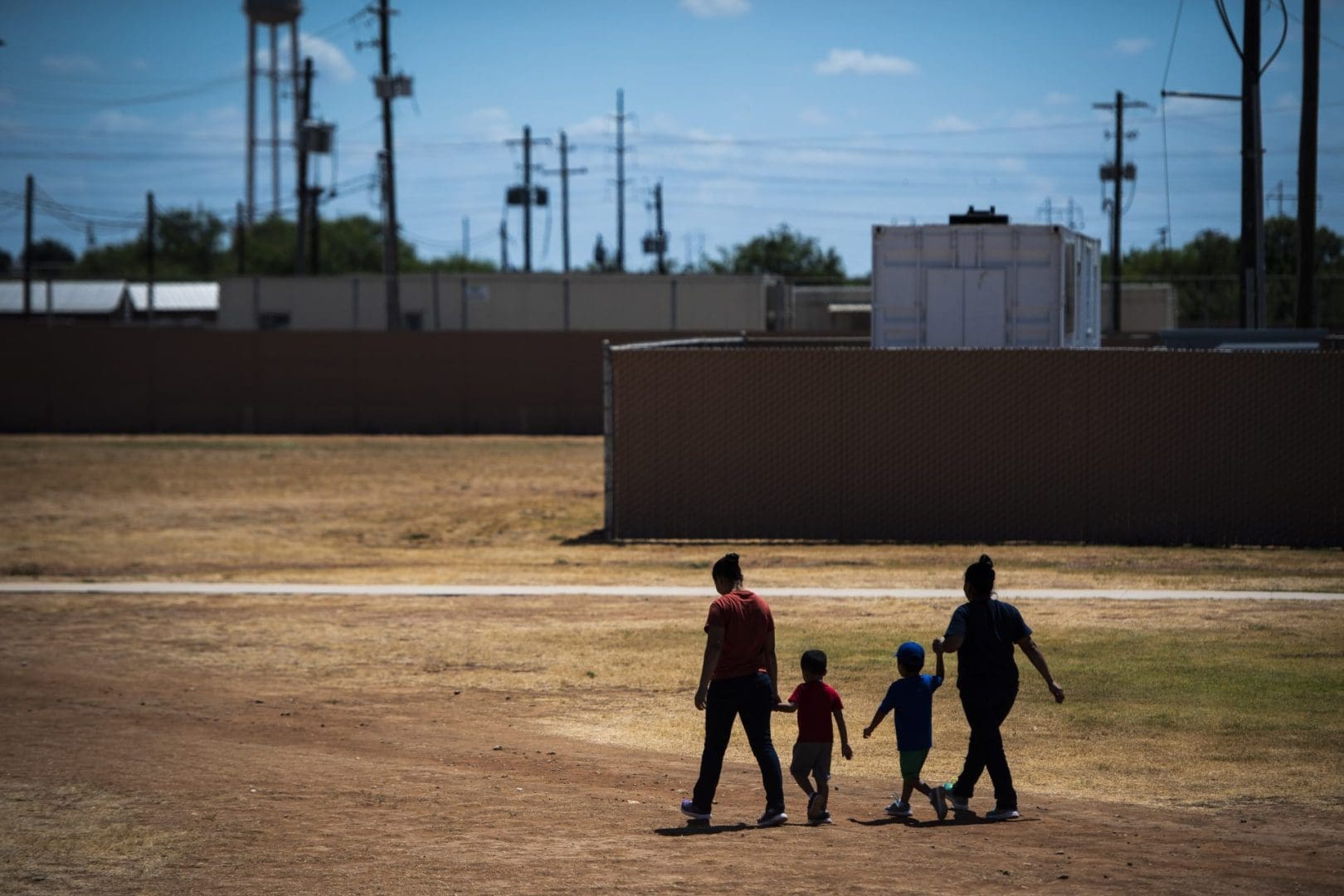
How You Can Help End Family Detention in the U.S.
July 24, 2026
Press Release
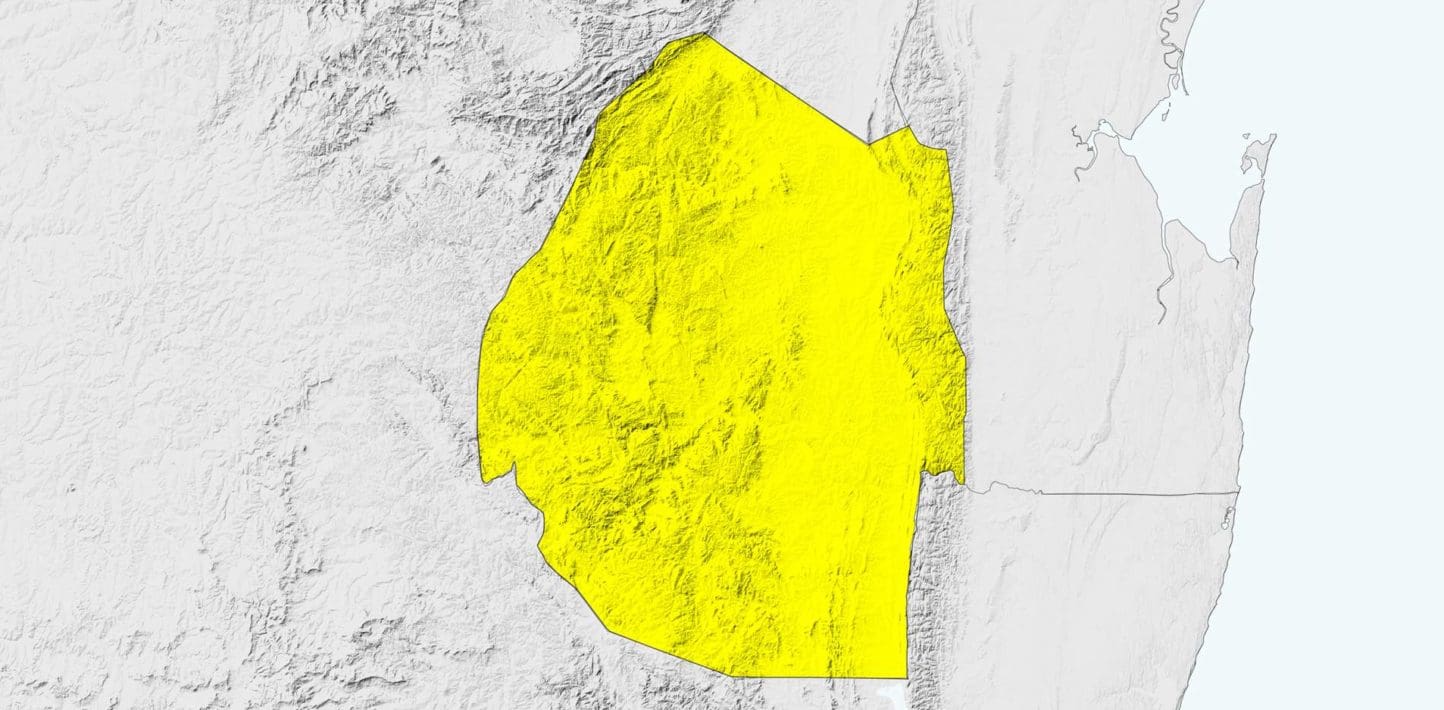
Eswatini: Fourth U.S. Third-Country Removal Operation Raises Fresh Human Rights Concerns
July 10, 2026
Press Release
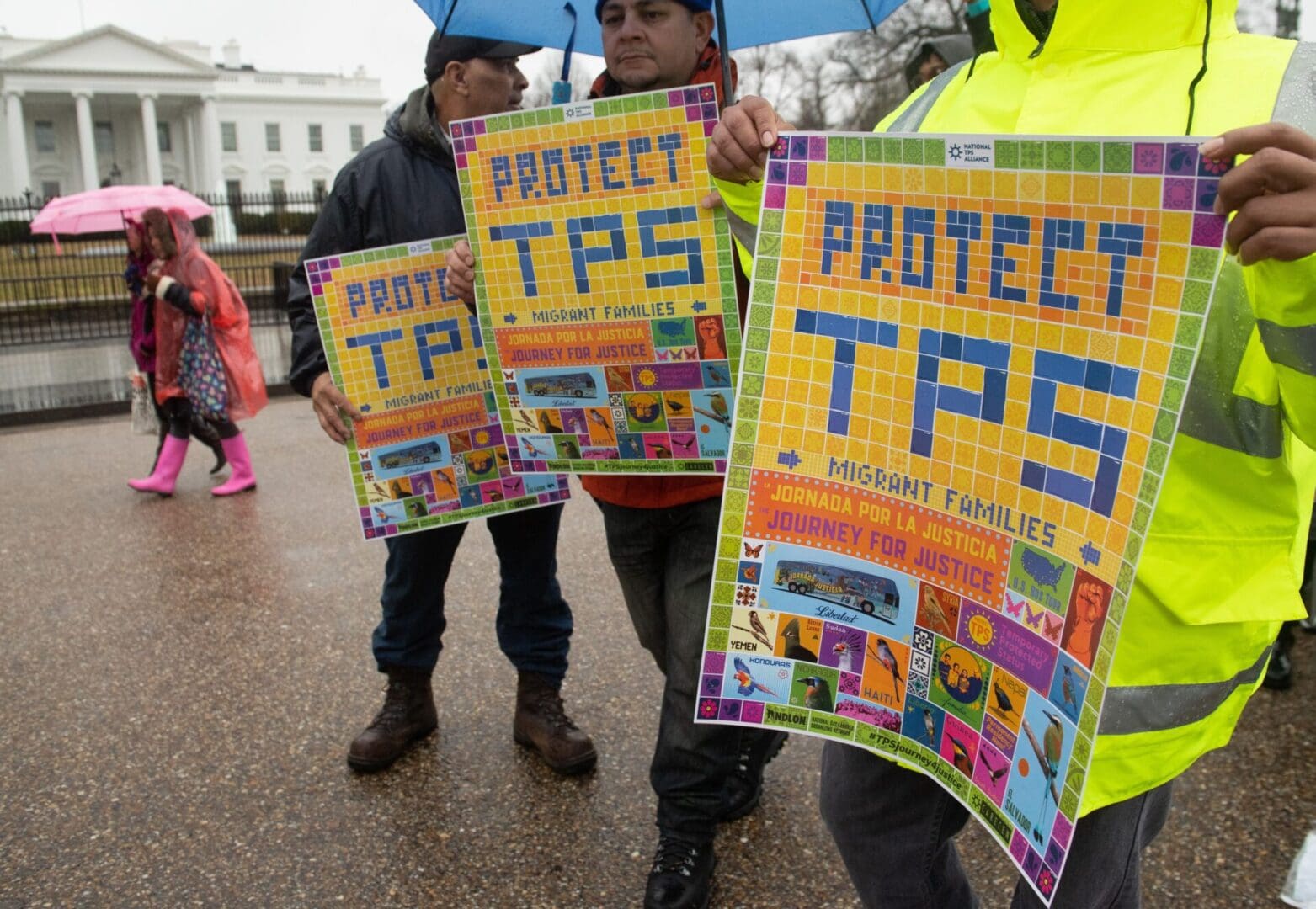
Supreme Court Further Ends the Right to Seek Asylum and Ends TPS Protections for 1.3 Million People
June 25, 2026

Blog
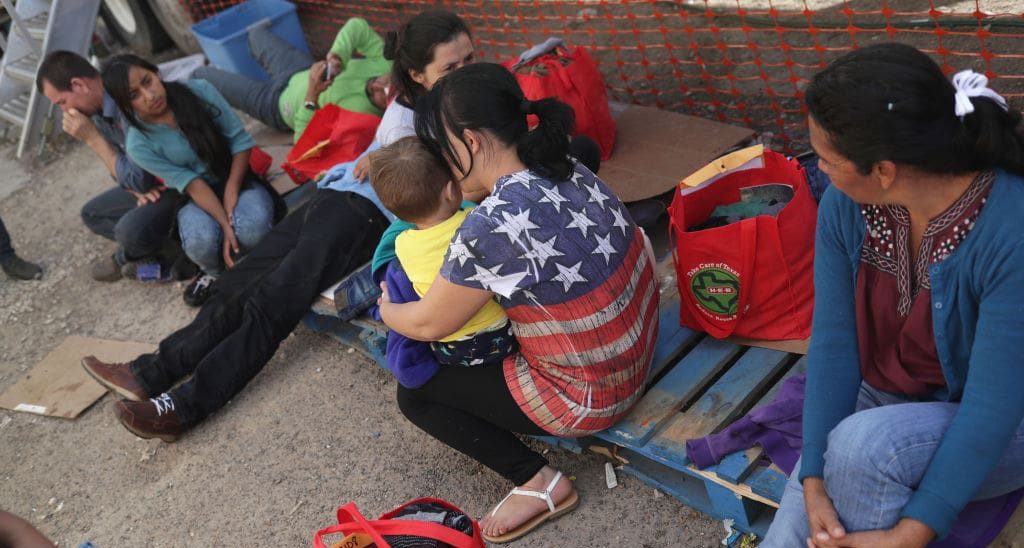
How Do U.S. Third-Country Removals Work and Are They Legal?
June 19, 2026

Blog
Three Fans Share Their Hopes and Fears for the 2026 FIFA World Cup
June 11, 2026
Press Release
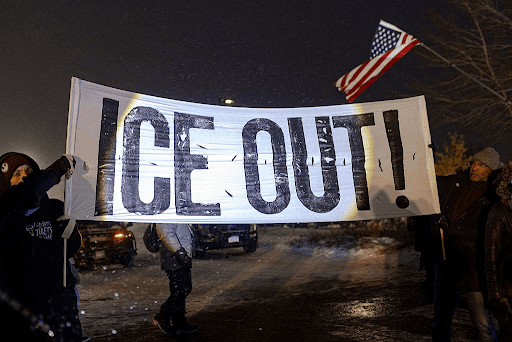
In Shameful Vote, Congress Gives 70 Billion to Ongoing Cruelty Against Immigrants
June 9, 2026