
OVERVIEW
A new government came to power in 2024, promising improvements in human rights protection and accountability for past abuses. Despite these promises, little concrete action has occurred. Laws passed by prior governments to stifle dissent remain on the books. In particular, the draconian Prevention of Terrorism Act (PTA) has not been repealed and has been used by the current government in several cases. The security forces continue to harass and intimidate human rights activists and journalists, especially in the north and east of the country. Families of people forcibly disappeared continued to seek truth and justice. Proposed successor legislation to the PTA failed to address key human rights concerns.
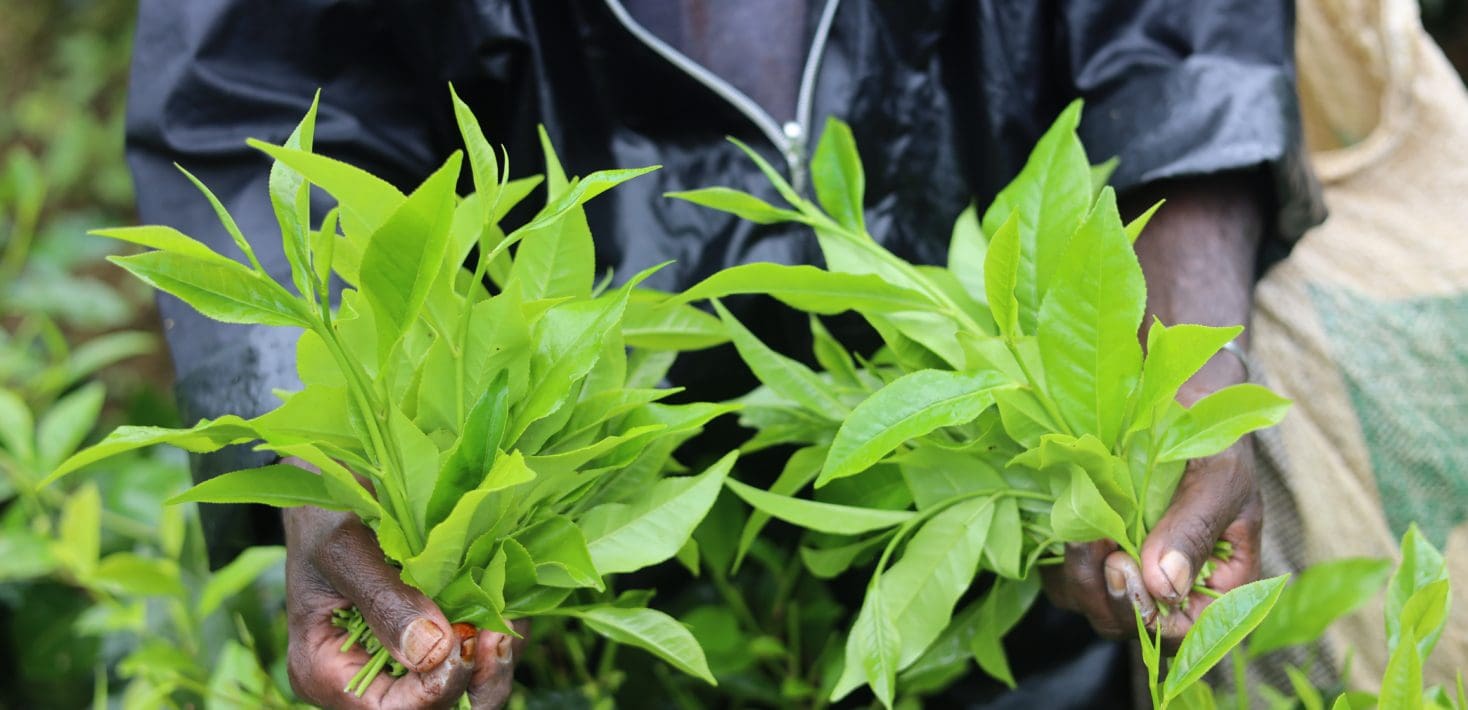
Protect Malaiyaha Tamil tea Workers in Sri Lanka
BACKGROUND
The situation of human rights in Sri Lanka needs to be understood in the context of its recent history. Over the past 40 years, two separate internal armed conflicts resulted in war crimes and human rights abuses being committed by both sides in both conflicts. In the vast majority of cases, no one has been held accountable for these crimes.
During 1983 – 2009, Sri Lanka was wracked by a civil war between the security forces (who are mostly from the Sinhalese majority community) and the armed Tamil opposition group, the Liberation Tigers of Tamil Eelam (LTTE), who were seeking an independent state for the Tamil minority in the north and east of the island. The war ended in May 2009, with a government military victory over the LTTE. A war crimes investigation by the Office of the U.N. High Commissioner for Human Rights found in 2015 that both government forces and the LTTE had committed war crimes, crimes against humanity and other human rights abuses.
In the late 1980s, the People’s Liberation Front, a Sinhalese chauvinist group (known by their initials in Sinhala as the JVP), carried out an armed insurrection against the government. The conflict saw targeted and indiscriminate killings of civilians, thousands of enforced disappearances of suspected JVP supporters, and arbitrary detentions and torture. The insurrection ended with a government victory in 1990.
KEY ISSUES
The PTA has been used in the past to target minorities, journalists and dissenting voices; it allows detention without charge or trial and violates international human rights standards.
In December 2025, the Sri Lankan government published the draft Protection of the State from Terrorism Act (PSTA), which is proposed to replace the PTA. The bill does not comply with international standards. Offenses under the PSTA are not precisely defined but are broad, vague and subjective. It gives the military arrest and detention powers that should only be provided to the police. The PSTA should not be enacted in its current form but should be substantially revised or dropped.
Sri Lanka’s people have suffered from tens of thousands of human rights violations over recent decades. Many abuses occurred in connection with both of the internal armed conflicts, but some have happened since the end of the war with the LTTE in 2009. AIUSA activists are campaigning for justice in connection with two of these cases, which are considered emblematic for their type of violation.
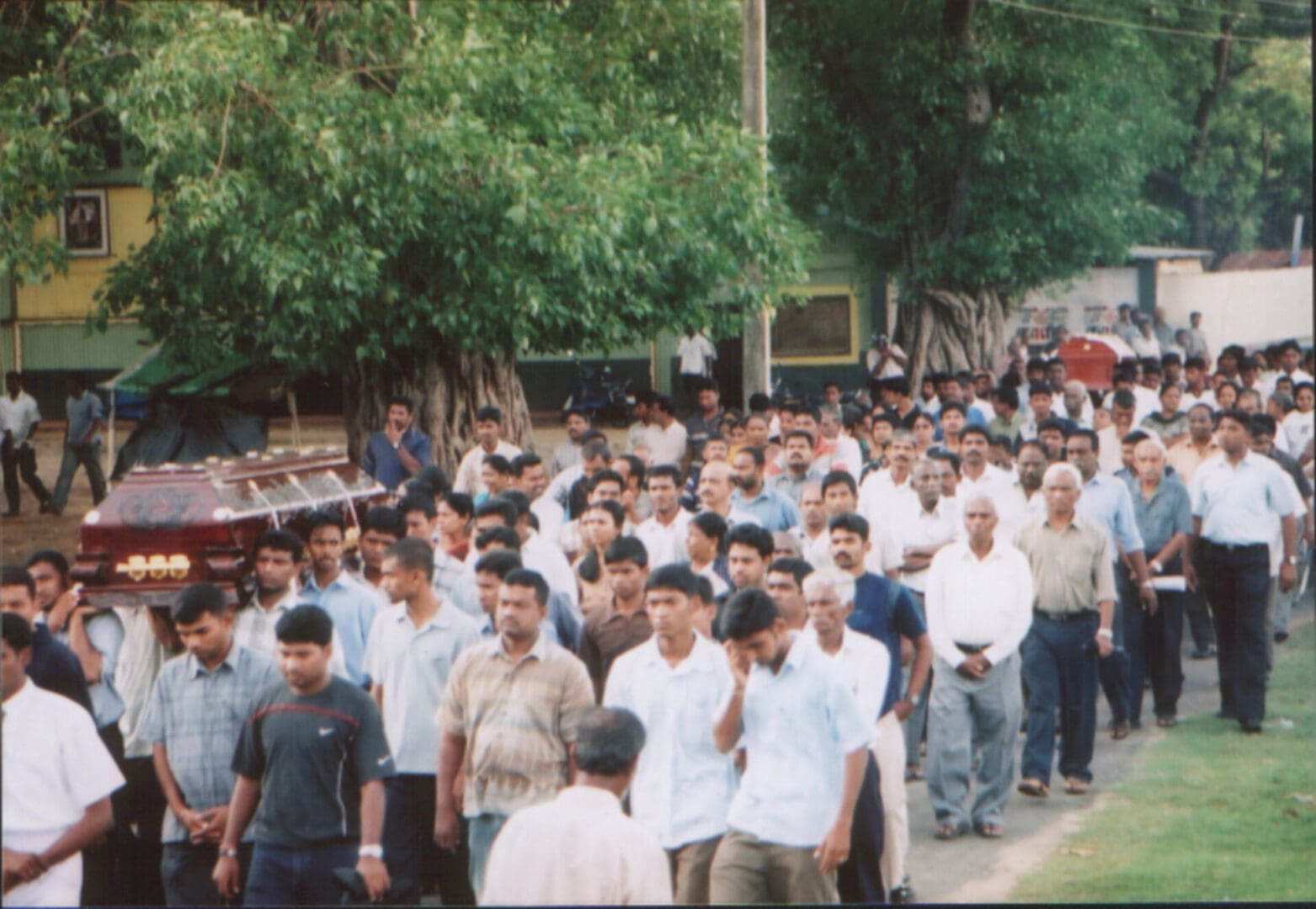
The security forces intentionally and recklessly killed civilians during both the JVP insurrection and the war with the LTTE. One emblematic case of a political killing committed by the security forces is the murder of five Tamil students (known as the “Trinco Five”) by the security forces on Jan. 2, 2006 in the northeastern town of Trincomalee.
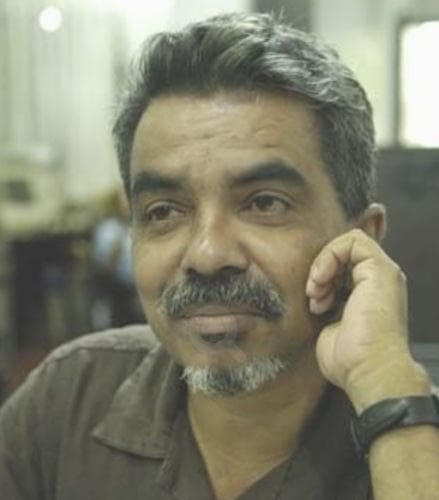
Up to 100,000 enforced disappearances have been reported in Sri Lanka, both in connection with the conflicts and in their aftermath. One emblematic case of enforced disappearance is the journalist/cartoonist Prageeth Eknaligoda (who is Sinhalese); he was made to disappear on Jan. 24, 2010, two days after publishing an article critical of then President Mahinda Rajapaksa.
During 2019, AIUSA held a contest for activists to create poems or drawings on the subject of enforced disappearances in Sri Lanka. See the link below for the winning entries.
For the 16th anniversary on Jan. 2, 2022 of the killing of the Trinco Five students, some AIUSA activists created a short video about their case. A link to the video is given below.
For the 12th anniversary on Jan. 24, 2022 of the enforced disappearance of journalist Prageeth Eknaligoda, activists from Amnesty International USA and Amnesty International Aotearoa New Zealand created two short videos about his case. Links to both videos follow below.
On November 22, 2023, Juwariya Mohideen, a Sri Lankan human rights activist, was named one of the winners of Amnesty International USA’s Ginetta Sagan Award for 2023. See the link below for more information.
Relevant Links
- AIUSA Art/Poetry Competition on Enforced Disappearances in Sri Lanka
- AIUSA video on the Trinco Five students
- First AIUSA/AIANZ video on disappeared journalist Prageeth Eknaligoda
- Second AIUSA/AIANZ video on disappeared journalist Prageeth Eknaligoda
- AIUSA press release on winners of 2023 Ginetta Sagan Award, including Juwairiya Mohideen
The Latest
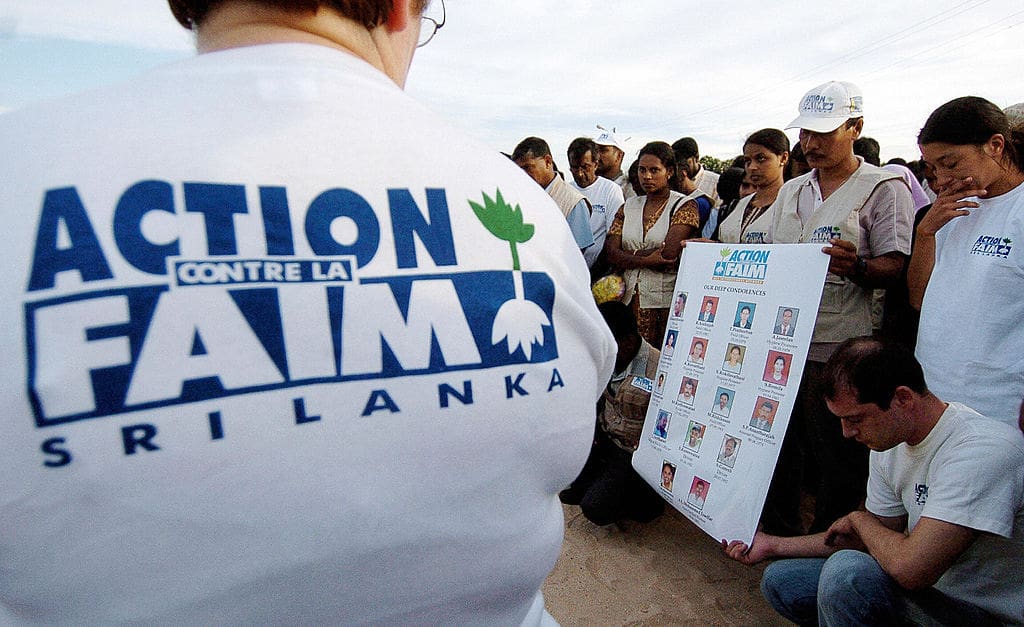
Press Release
Sri Lanka: Justice for ACF Massacre Cannot Wait after Two Decades of Impunity
August 4, 2026
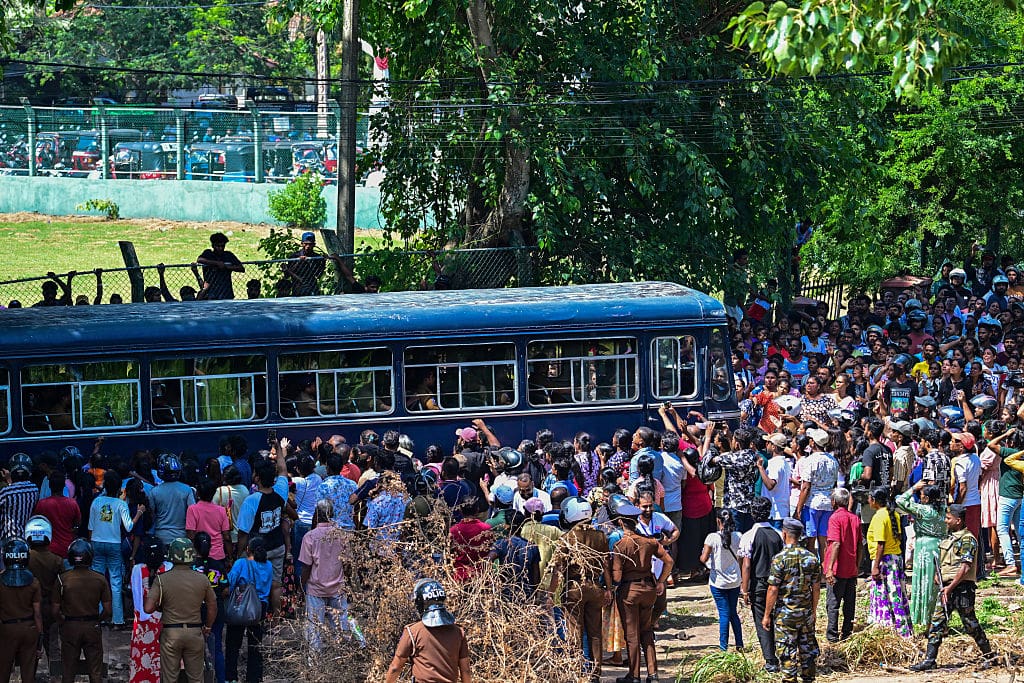
Press Release
Sri Lanka: Deaths of Transferred Negombo Prisoners Following Clashes Must Be Urgently Investigated
July 9, 2026
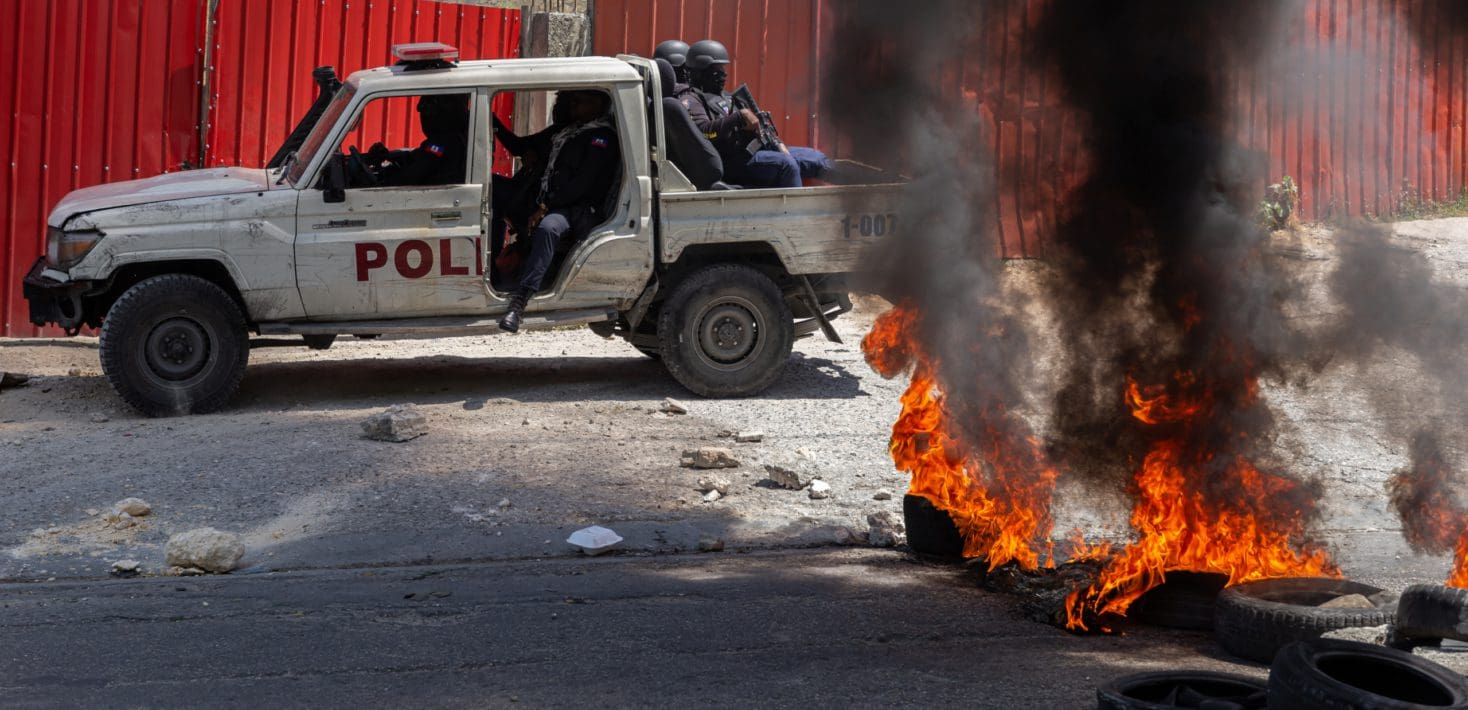
Press Release
Sri Lanka: Answers Needed about Haiti Deployment amid Ongoing Impunity over Child Abuse Allegations
July 3, 2026
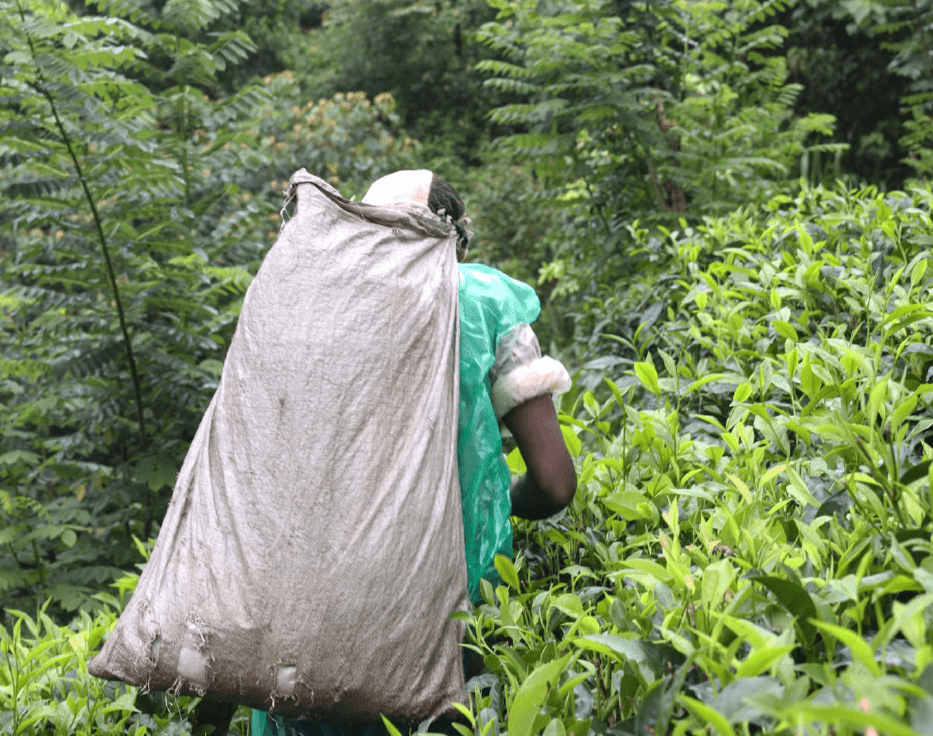
Report
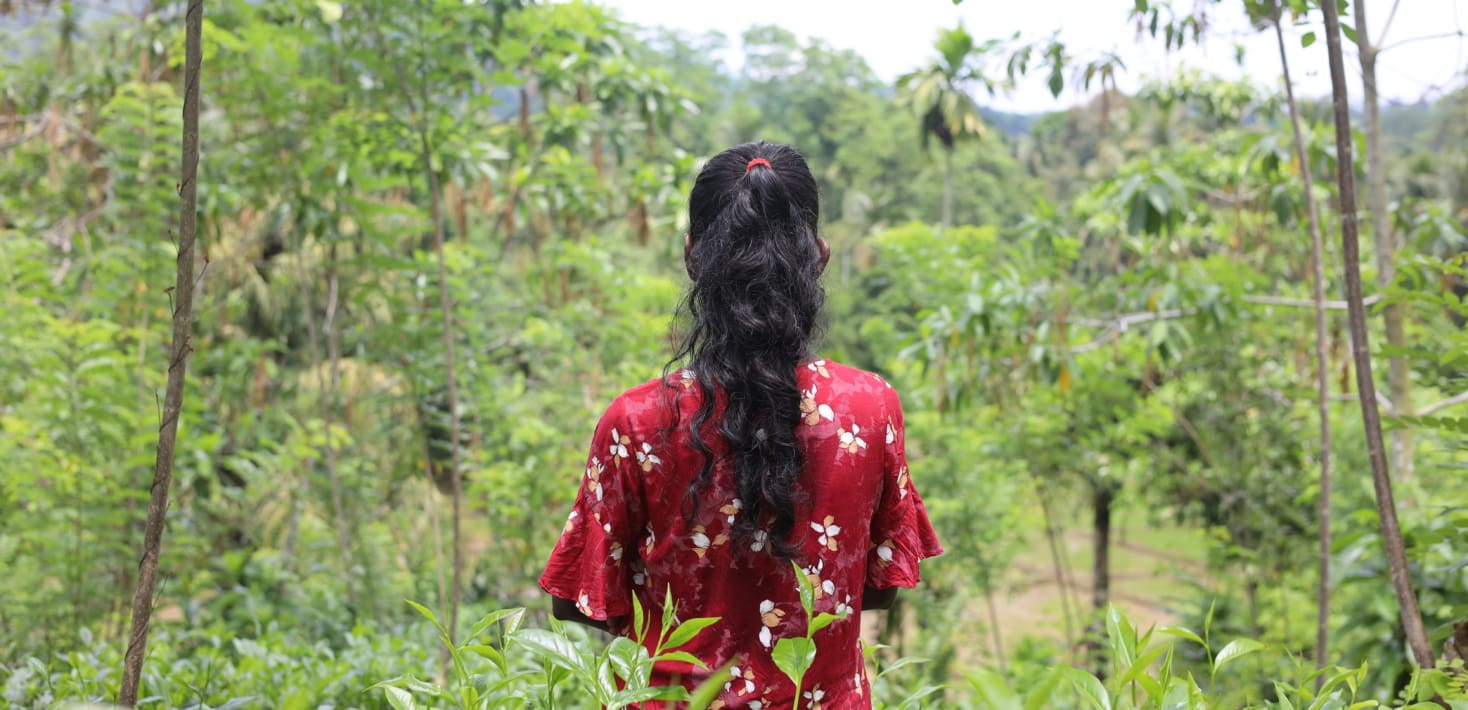
Abandoned by the State, Trapped in Private Estates: Rights Abuses Against Sri Lanka’s Malaiyaha Tamil Tea Workers
May 27, 2026
Press Release
Sri Lanka: Malaiyaha Tamil Workers in Private Tea Estates Suffer Serious Labor Abuses – New Report
May 27, 2026

Blog
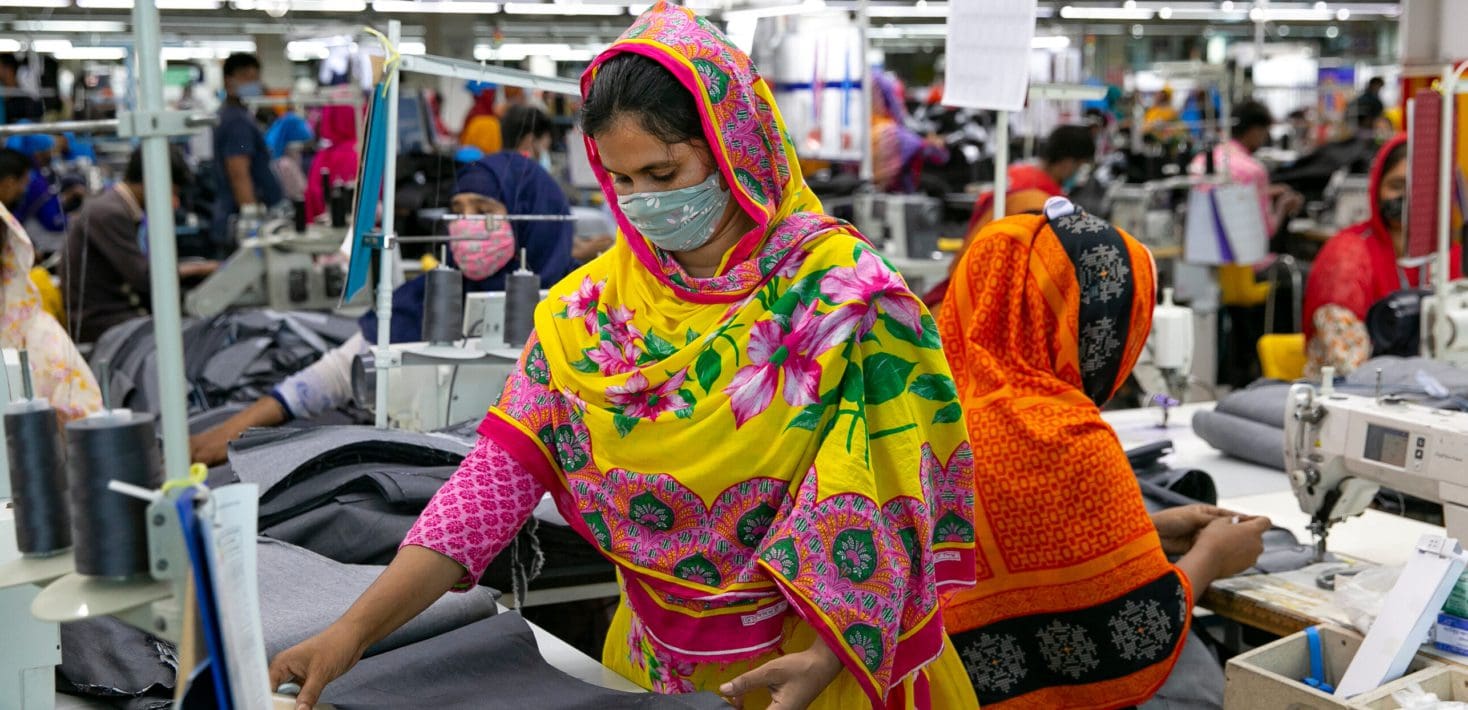
Join the Fight for Garment Workers’ Rights
May 1, 2026
Press Release
Sri Lanka: OHCHR Report Must Spur Government Action on Accountability for Conflict-Related Sexual Violence
January 13, 2026
Report
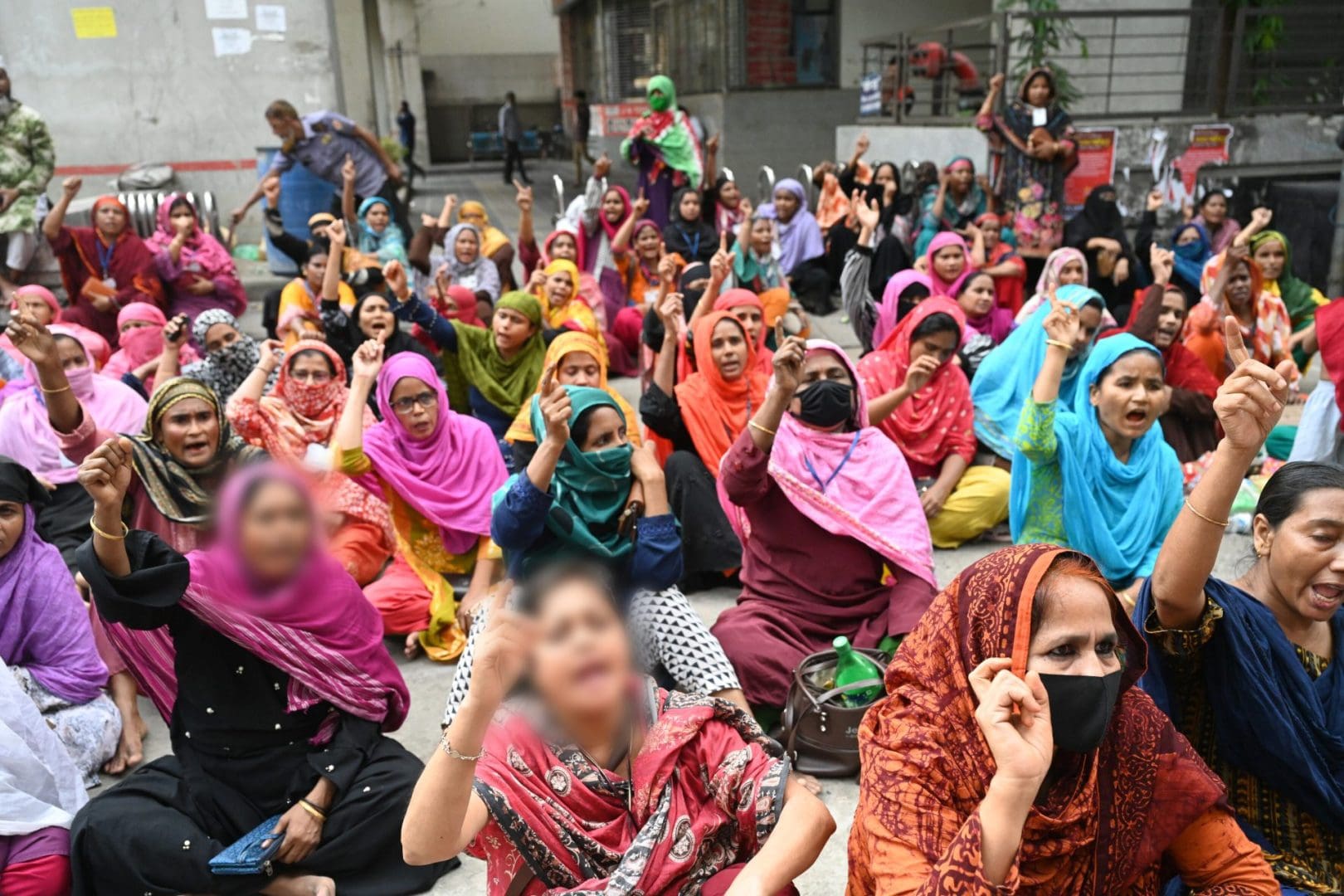
Stitched Up: Denial of Freedom of Association for Garment Workers in Bangladesh, India, Pakistan and Sri Lanka
November 26, 2025
Report
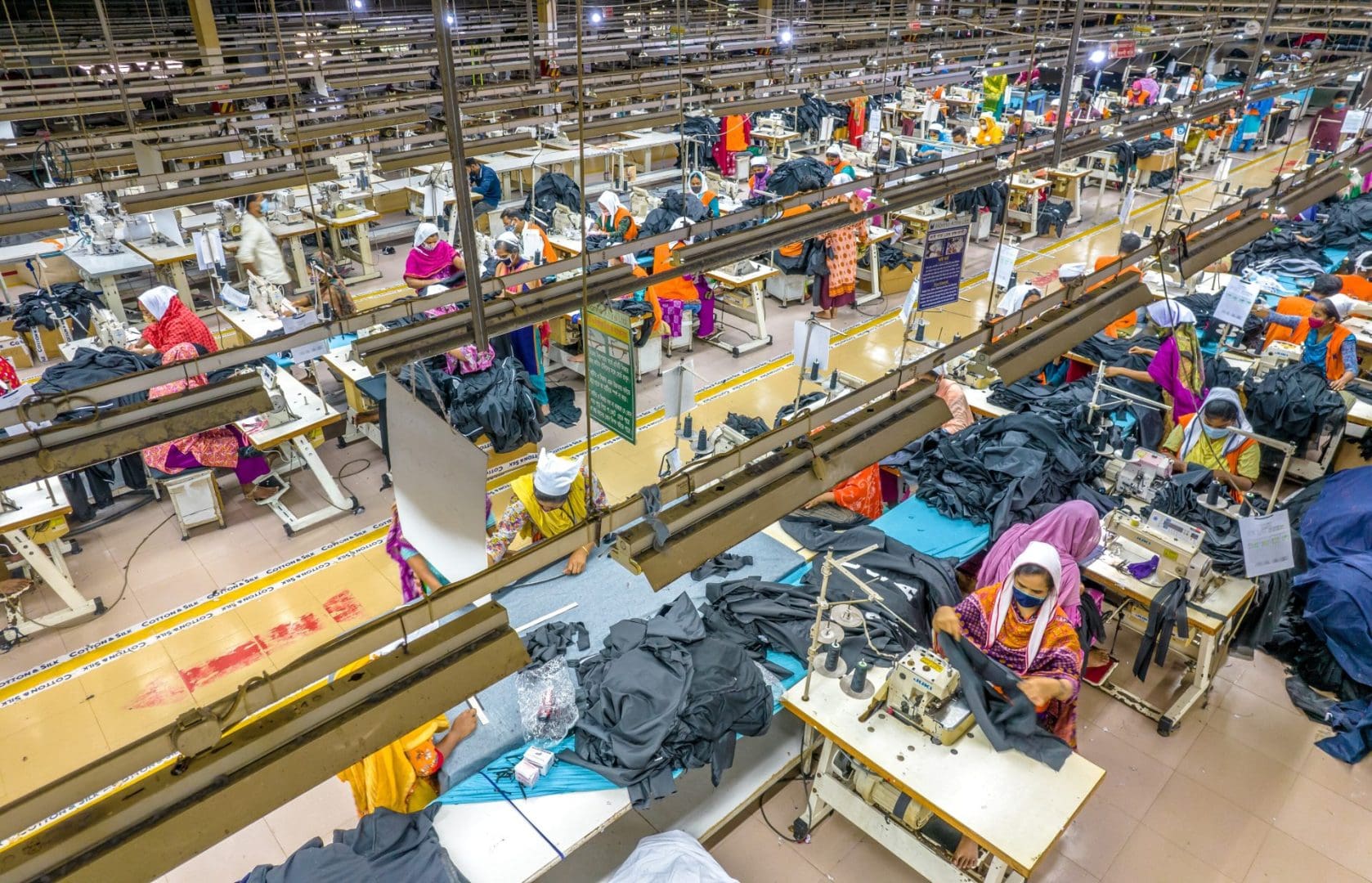
Abandoned by Fashion: The Urgent Need for Fashion Brands to Champion Workers’ Rights; Brand Responses to Amnesty International Survey
November 26, 2025
Blog
What is a Living Wage and Why is it a Human Rights Issue?
January 27, 2025